
March 5, 2026
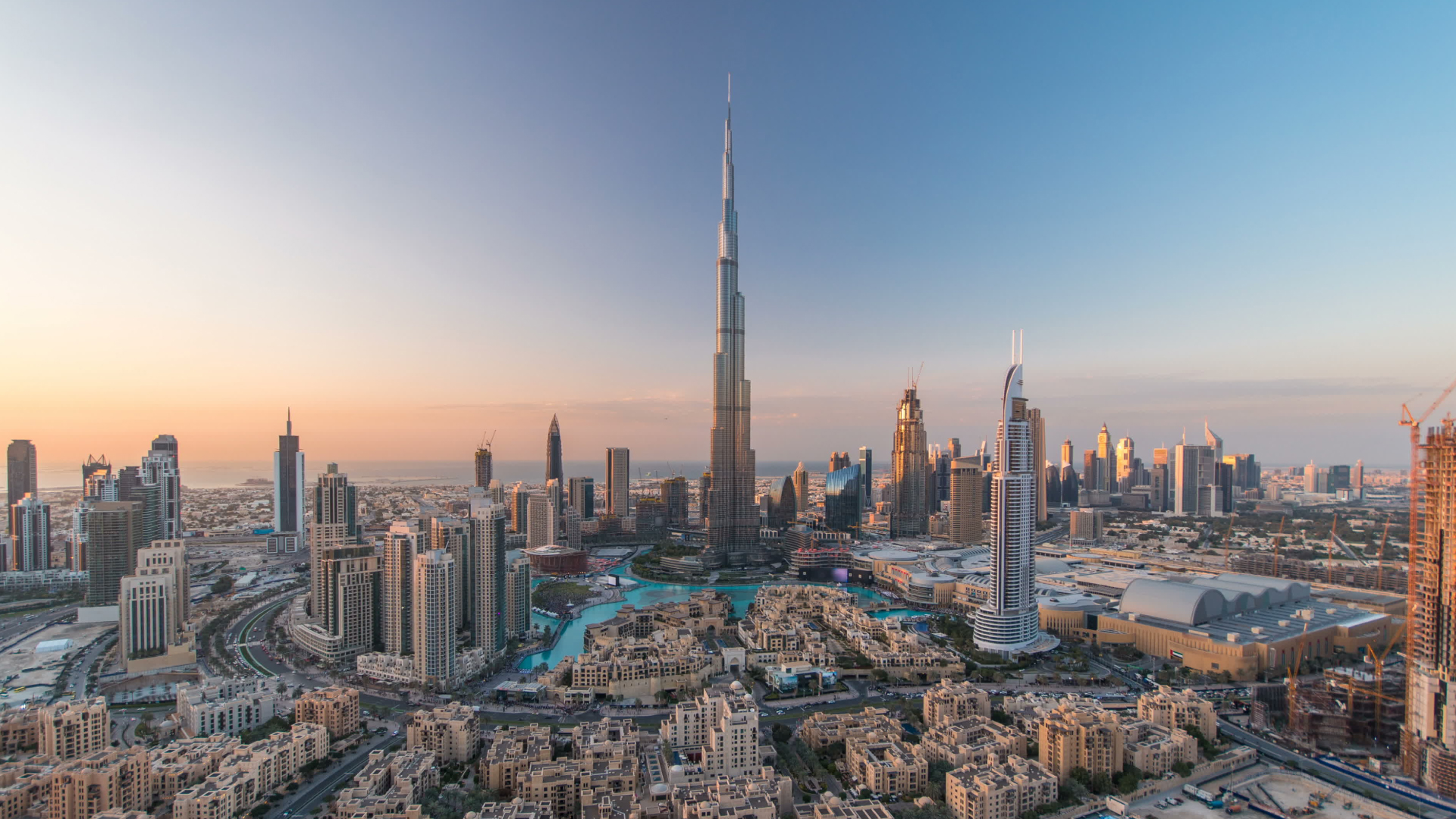
Dubai has long been viewed as a safe haven for international property investors. Its tax-free environment, robust regulatory framework, and cosmopolitan lifestyle have positioned the city as a reliable destination for capital, even amid the volatility of the Middle East. However, recent events have directly challenged this perception.
In early March 2026, Iran launched a series of missile and drone strikes across the Gulf, targeting strategic sites in the United Arab Emirates, including parts of Dubai.
The immediate ripple effect was felt in financial markets. The Dubai Financial Market and the Abu Dhabi Securities Exchange suspended trading for two consecutive days, and when trading resumed, both indices recorded significant declines. Dubai’s main index fell nearly five percent, and Abu Dhabi’s dropped more than three percent. Banks, developers, and aviation-linked companies were among the most affected. These movements underscored one clear reality: investor sentiment, even in traditionally stable markets, can shift quickly in response to geopolitical shocks.
So, what does this mean for property investors? The most important point is that structural fundamentals remain intact. Dubai’s economy continues to be diversified across trade, tourism, finance, aviation, and technology. Population growth and ongoing foreign investment projects remain robust. Regulatory incentives supporting both commercial and residential property are unchanged. In short, the emirate’s long-term appeal is not erased by a temporary disruption.
Yet perception matters. Buyers often react to headlines before fundamentals. Off-plan projects may see delays as investors adopt a wait-and-see approach, and financing or insurance costs could temporarily rise. In the short term, transaction volumes may soften, and sentiment-driven adjustments are likely.
For investors navigating this landscape, we recommend the following approach:
1. Reassess, Don’t Panic
Market interruptions do not equal structural decline. Evaluate your current exposure and determine whether your portfolio aligns with your risk tolerance, but avoid reactionary decisions based solely on short-term headlines.
2. Diversify Strategically
Geopolitical risk is a reminder that even safe-haven markets are not immune to external shocks. Diversifying across multiple cities or asset classes can help mitigate the impact of isolated events. Cities with deep legal frameworks and institutional stability, such as London, may complement Dubai investments in a broader global strategy.
3. Monitor Market Signals
Watch transaction volumes, developer activity, and pricing trends closely. These indicators are often the first signs of how investor confidence is adjusting. Temporary pauses in buying or selling are normal, but sustained changes will be reflected in data rather than media headlines.
4. Consider Liquidity and Exit Strategy
Ensure that any investment in Dubai includes clear pathways for liquidity. In moments of uncertainty, the ability to adapt and access capital efficiently is just as valuable as potential long-term growth.
5. Seek Expert Guidance
Local knowledge and professional insight are critical. Brokers, legal advisors, and financial consultants with direct experience in Dubai’s property market can provide context that goes beyond what news reports can convey.
While the strikes represent a direct shock to Dubai’s narrative of invulnerability, their fundamentals, legal transparency, diversified economy, infrastructure, and lifestyle appeal remain strong. This is a test of perception more than of substance. Investors who approach this period with analysis, discipline, and strategy are likely to find opportunity rather than risk.
Dubai continues to be a compelling property market, but the key takeaway is that safe-haven status is earned and maintained, not assumed. Moments like these are a reminder that prudence, diversification, and informed decision-making are the hallmarks of successful international investment.